Is Your Restaurant Website Actually Bringing You Customers?
Most restaurant websites don't. Here's why that matters.
Michael Westhafer
3/21/20264 min read

If you're an independent restaurant owner or operator, your website is probably "done."
It has your menu. Your hours. Your location. Maybe a few photos.
But here's the real question: is it actually bringing you customers?
Because having a website isn't the same as having something that works. And most independent operators never stop to ask the difference.
The "Done" Website Myth
Most restaurant websites are built to check a box.
Get something live. Make sure people can find you. Move on to the next thing.
And for a long time, that was enough. Your website was there to confirm you existed, show your menu, and give people basic info. That's all anyone expected.
But that's not how customers make decisions anymore.
The problem isn't that your website is broken. It's that it was never designed to do anything beyond exist. And there's a big difference between a website that exists and a website that works.
The Moment That Actually Matters
Here's what's happening right now, every single day.
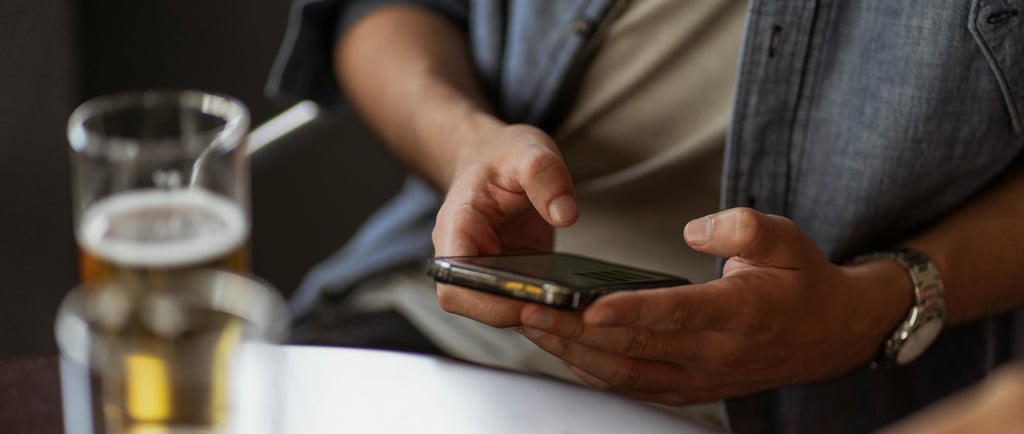
A customer searches for a place to eat. Your restaurant comes up. They click your website. They scan it for a few seconds.
And in that window, they're deciding: Is this place worth trying? Does this feel like my kind of spot? Should I go here instead of somewhere else?
That decision window is short. Research consistently shows that people form an impression of a website in under a second. Not a minute. A second. By the time they've read three lines, they've already got a feeling.
And that feeling is either pulling them toward you or pushing them somewhere else.
That's the moment your website is supposed to step up. Most don't. They load slowly, lead with a generic stock photo, and dump the full menu on someone who hasn't even decided if they're interested yet.
They don't guide. They don't influence. They don't move the customer forward.
So if your website isn't helping someone decide, what exactly is it doing?
Why Most Websites Don't Bring Customers
Here's the disconnect most independent operators don't see.
A brochure and a sales tool look almost identical on the surface. Both have photos. Both have information. Both have a way to contact you. But they do completely different things.
A brochure informs. It answers questions for people who are already interested. It doesn't care whether you act or not.
A sales tool converts. It answers the right questions in the right order. It makes the next step obvious. It gives people a reason to move.
Most independent restaurant websites are brochures. Built to answer "what's on the menu?" not "why should I choose this place tonight?"
The big chains figured out that difference a long time ago. Their websites are conversion machines, built by teams whose only job is to get someone to order, book, or download an app. They test headlines. They track where people drop off. They update in real time.
And here's what's frustrating about that: a lot of those chains have mediocre food and average service. But they keep filling seats because their systems are better. The online experience is smooth and persuasive, so people show up, even when what they get isn't all that special.
Independent operators with genuinely great food and real hospitality are losing guests to chains, not because they're worse, but because their website is still a brochure.
On top of that, most independent restaurant websites are static. The menu gets updated when something changes. The photos are the same ones from three years ago. Nothing reflects what's actually happening in the business right now.
But your business isn't static. You're running specials. You've got events. Your story is worth telling. A website that never changes can't tell it.
The Shift: From Page to System
So what actually needs to change?
Not complexity. Not a redesign that costs five thousand dollars. Not more features nobody uses.
Just the way you think about what your website is for.
Right now, it's probably the last stop. Someone hears about you, finds you, checks your website to confirm the basics. They've already made most of the decision without you.
A website that works is the opposite. It's part of how people get convinced and decide to come in. It's connected to your marketing. It reflects what's happening right now. And it's built around one outcome: get this person to take a next step, whether that's placing an order, making a reservation, or signing up for your loyalty program.
When it is, everything clicks. Your Google profile drives traffic and your website closes it. Your social posts build interest and your website captures it. Your promotions run and your website is ready for them.
That's what a system looks like. It's not complicated. It's just connected.
What This Changes
When your website starts doing its job, the results compound fast.
Your marketing works better because there's something on the other end catching what it creates. Your ad spend stops leaking. Your promotions land with people who are already warm.
Most independent operators spend money driving traffic to a website that loses most of it. A small improvement in what happens after the click matters more than a big increase in clicks themselves.
You don't need more marketing. You need your existing marketing to convert.
Your website is supposed to be the thing that does that.
So, Is It?
It's worth asking the real question.
Is your restaurant website actually bringing you customers, or is it just sitting there while the chains down the street capture the guests you should have had?
Because once you start looking at it this way, it's hard to unsee.
And for most independent operators, that's exactly where things start to change.
If you want to see what a dynamic restaurant website looks like in practice, and how it can help you capture more new business, check this out: restaurantrebellion.com/dynamic-restaurant-website
Restaurant Rebellion helps independent restaurant owners build simple, step-by-step marketing systems that compete with the big chains, without a big budget.
Welcome to the Rebellion.